

Against AI Detection Tools
Why I have disabled Pangram

Recently, Substack have announced a partnership with Pangram, an AI detection tool, that allows readers to scan essays to detect whether they were written with (or by) AI or not. As someone who has written against AI “writing” before, and has been against it ever since ChatGPT emerged on the scene, this is something I ought to be celebrating. But I am wary and reticent to give this development my full support. Below I outline my concerns and ultimately why I have decided to disable the feature on my essays and posts.
First, I fear this is tool going to be weaponised as a witch-hunt tool. Writers are inevitably going to be falsely accused and reputations are going to be tarnished by the fallible dictates of an algorithm. Woe be the writer who fails the test! even if the reputational death sentence is from a false positive. I don’t want to contribute to an online culture which is already overly toxic, confrontational, suspicious, and hostile. The last thing we need are more witch-hunts and mud slinging.
Second, the risk of a false positive, whilst very small, is still present. So too is the risk of a false negative. And no matter what the detection tools tell you, this risk will always remain. The tools are fallible.
Third, I don’t want to personally become dependent on the Pangram tool. I don’t want to have to worry and constantly check my writing, using what is ultimately an AI tool, to confirm that my writing is indeed “AI free”. For me, this goes against my stance of not using AI in my writing process, especially if I am tempted to change any text incorrectly flagged as “AI/AI assisted” to make it pass the test.
Finally, my most important reason is I don’t want to outsource trust. I have given my word to my readers several times before that all of my writing will be 100% AI-free in its conceptualisation, generation, editing, and research. This trust is, or should be, relational — between me as the writer and you the reader. I don’t what this precious trust to be mediated through an AI detection software or dependent upon a 100% AI-free statistic. If you want to read AI-free writing, then please do continue to read my work, but you are going to have to trust me as a writer (and not a tool) that every word and sentence you read here has been wrestled with and thought about by my own brain. And if you can’t trust me and my writing without a tool’s help, then I don’t know why you are reading my words in the first place. Please feel free to unsubscribe.
So this is why the AI detection tool will be disabled for Over the Field. I hope you understand.
If you want to read my initial thoughts on AI writing that I wrote three years ago when ChatGPT came out, you can do so here:
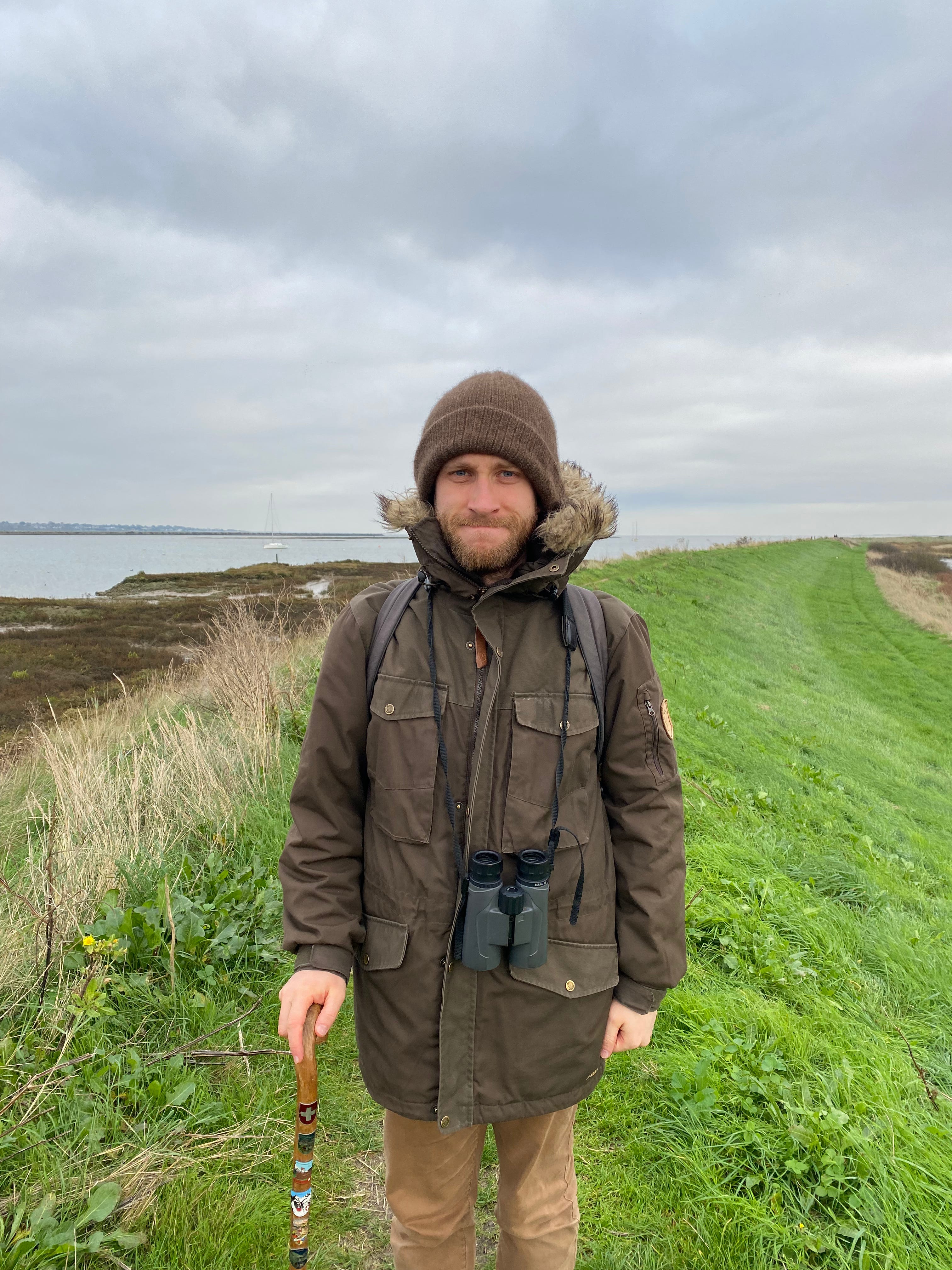
The human face behind these words:
Any tips given (or paid subscriptions) directly support my AI-free work and are greatly received.
I appreciate this stance, Hadden. This part holds weight: “And if you can’t trust me and my writing without a tool’s help, then I don’t know why you are reading my words in the first place.” Trust is a risk, but a wholly important part of human relationship.
The machine can’t provide solutions to the machine