

Gleanings From the Field., Vol. 8
A beautiful farm, the art of seeing, conference recommendations, and more

Hello all,
Welcome to another volume of Gleanings from the Field: recommendations, excerpts, and reflections on things I have been reading along with some insights and reflections from my adventures and travels, plus some sharing of my expertise on wildlife and ecology. As always (apart from the occasional free-for-everyone post) free subscribers get a medium-length preview of the content with paid subscribers being able to access all of the post.
Beauty Amidst War
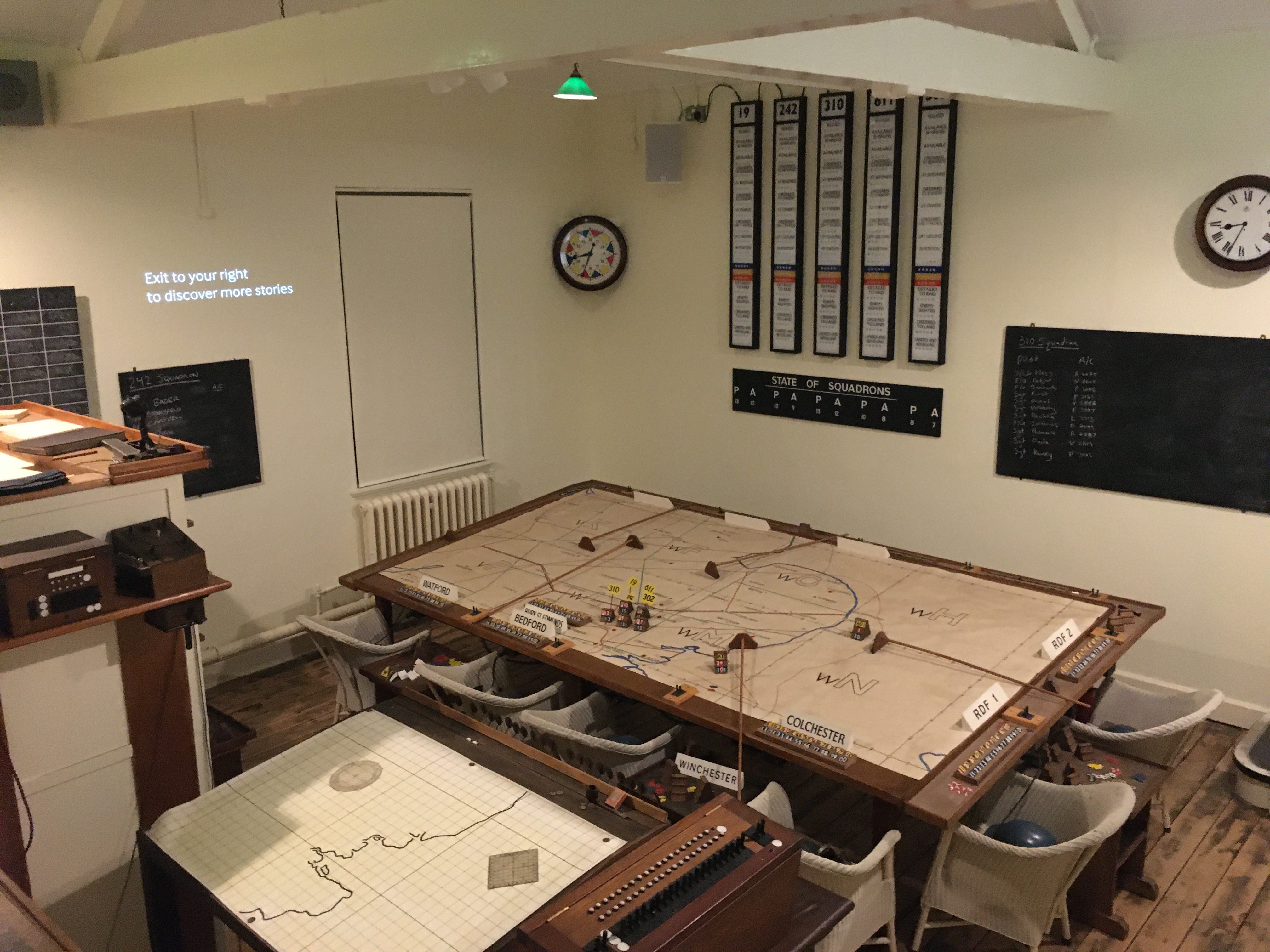
This past week I fulfilled a lifetime ambition to see a flying Spitfire plane - there is something that has always attracted me to these beautiful planes and seeing them up close at Duxford was a real (and loud!) treat. Adding to the joy was that I was going around Duxford with an old gentleman from my church who also happens to be a bus enthusiast!
One thing which struck me was how beautiful many of the objects and planes on display were. Even in a time of war and national urgency, beauty and craftsmanship were not neglected - our modern societies should learn much from this attitude.


Front Porch Republic Conference
This October I will be, Lord willing, in Madison, Wisconsin for the Front Porch Republic’s conference. I am looking forward to hearing
in the flesh for the first time, and I would love to meet up with any of my followers attending on the day of the conference or the day before (bonus if you would like to go birdwatching with me!).Rooted Online Interviews
Staying on the theme of conferences/interviews, the Roger Scruton Legacy Foundation is putting on an online series hosted by Grace Olmstead titled Rooted: Cultivating a Green Philosophy:
How should we steward the places we love?
This timeless question, now more urgent than ever in an era of climate change, rampant waste, soil degradation, and water pollution, has challenged communities for centuries. Sir Roger Scruton proposed the solution to this timeless question must be found in and through our love of home—what he called Oikophilia—by focusing our gaze on immediate problems, needs and affections.
In this spirit, the Roger Scruton Legacy Foundation is pleased to announce a new online interview series, Rooted: Cultivating a Green Philosophy. We invite you to join series host Grace Olmstead as she considers responsible farming and stewardship practices that might care for our environment and ecology while also prioritizing the interests and needs of local farmers and communities. Guests of the series will include farmers, authors, and scholars from the United States and the United Kingdom.
I am sure you will agree this looks excellent. Cultivating a love and deep knowledge of the places we inhabit is an urgent need in our rootless age, and is essential if we are to be a blessing to those around us - as James M. Decker will explain in an essay I will recommend in a few sections below.
You can book for the first interview here.
is also running an Annie Dillard reading group on her substack and is posing some really thought-provoking questions. I particularly liked her short reflection on How To See, especially this:We see so little of what truly lies around us. Awareness of the problem is an important step towards correcting this oversight. But Dillard suggests that we must also stop still in order to truly look. Without an agenda or an aim. Without the “commentator,” the “noise of useless interior babble” that can pull us away from our sense of who, when, and where.

A Beautiful Farm
I recently had the pleasure of reading one of the most beautifully written essays I have ever read and one on a theme that is very close to my heart. It comes from McKenna Snow over at the Front Porch Republic who explored the theme of beauty using the work of John-Mark Miravalle who defined beauty as orderliness and surprise.
Orderliness is necessary for a thing to be beautiful because the thing has an essence that must be respected in reality. This means that the thing is what it is, for the sake of some end, and will not change essences or its telos on a whim. This orderliness makes the thing comprehendible, approachable, observable, and predictable.
Order without surprise, however, makes something entirely banal. Without surprise, order becomes a dull, mindless drag with no creativity. Surprise adds creativity, an originality that the beholder might not have expected or imagined.
On the basis of this, McKenna surmises that “Nature is inherently beautiful, then, by virtue of its orderliness and its surprise” as “Nature has patterns that human beings can observe, and does sensible things that correspond with the essence of the plants, rocks and animals. Nature reveals the orderliness of the Creator, and the wonderful rationality and intelligence of Him. But it also reveals His lively personality, and His creativity.”
She then asks what about the farm? (a question I love!) and comes to two conclusions that match closely to mine. She firstly argues that though order is readily apparent on modern industrial farms, this orderliness has been taken to the extreme, stripping out any resemblance of nature, untidiness, or naturalness to create a sterile environment, an environment I would argue further is designed to be hospitable to the ‘machine’ and not for people or creatures.
Following on from this, McKenna rightfully argues to return to beauty in our agricultural environments we need to allow nature and natural processes (elements of surprise) back onto the farm. I heartily agree, and believe reinstating some level of traditional practice is the best means of doing so. Not only did traditional farming techniques and practices of the past allow room for nature, but the practices themselves were beautiful being gentler, more graceful, and conducive to the strengthening and (to a degree) flourishing of the human body. Yes, using a scythe is hard, sweaty, and at times back-breaking work, but there is beauty in the rhythmic movement, the swishing sounds through the grass, and beauty is present in the form and shape of the tool itself. The user of the tool can also notice the curlew nest hidden in the grass and can leave that patch free for nature, whereas sitting up in his combine the farmer is apt to miss and destroy the nest and perhaps in the process deprive his farm of the evocative call of the curlew next summer.
It is, however, accepted that would be uneconomical for farmers to return to the widespread use of traditional tools. But, on those parts of the farm where nature is most present or where marginal conditions exist, traditional tools can be used once again and thus beauty can be restored even to intensive farms.
From The Archives
The Invasive Dynamic

In our increasingly globalised world, it seems non-native species are spreading everywhere. It is surprising just how many species around us in our “natural habitats” are in fact non-native. Even some of our most loved and cherished species in the UK such as horse chestnut trees and rabbits are not “native to these parts”…
Keep reading with a 7-day free trial
Subscribe to Over the Field to keep reading this post and get 7 days of free access to the full post archives.