

Books From My Shelves
A Curated Agrarian Reading List

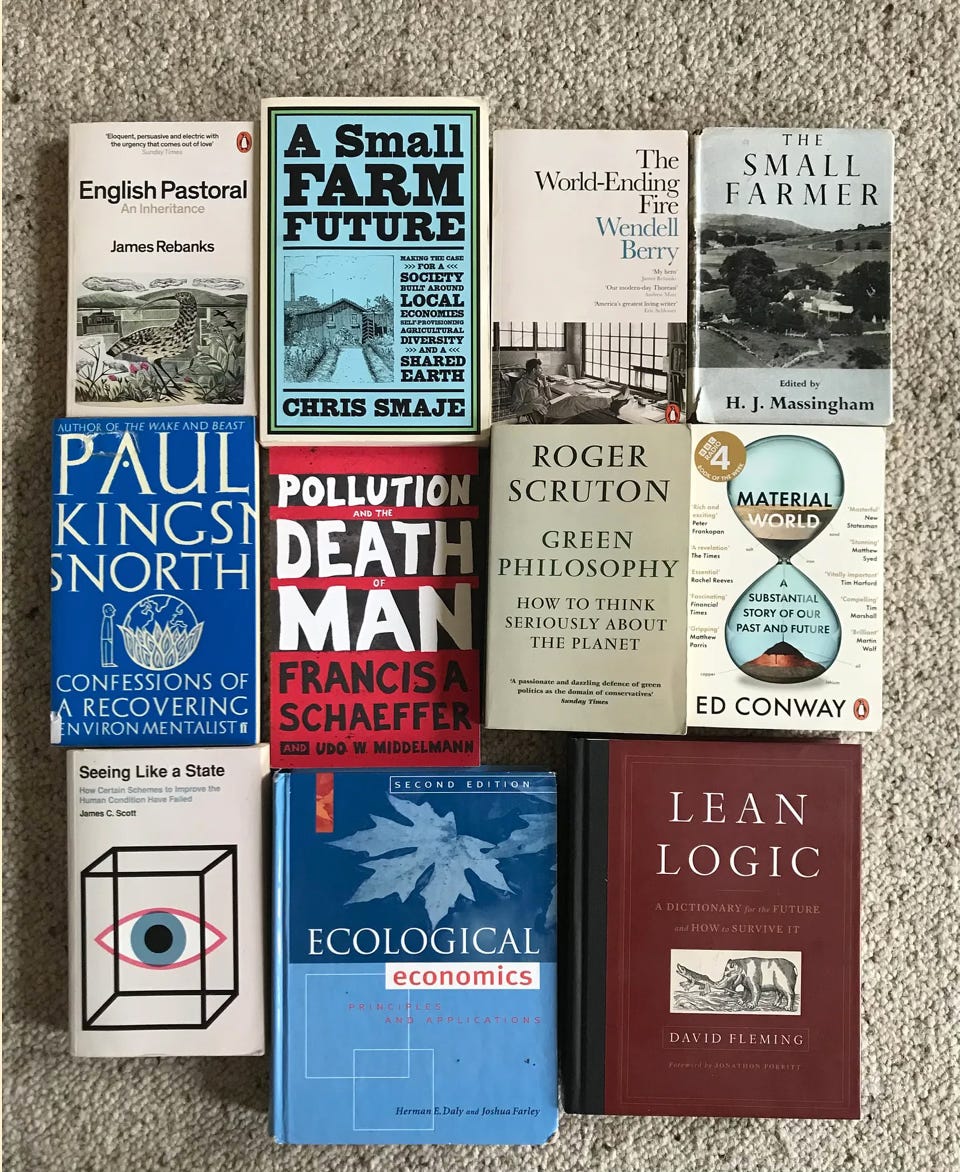
“Do you have anything you would recommend on…?” It is a question I get asked regularly by readers and those interested in learning more about agrarianism. So, what I thought I would do — as a form of public service to all agrarians — is create a curated guide of the top books for each of the fields of study that I write on (agrarianism, creation care, nature and ecology, techno-scepticism). This extensive post is the fruit of this idea.
I hope this resource that I have created helps to form a new generation of deep agrarian thinkers and practitioners — and do send me your recommendations and favourites on these topics too. I’d love to hear them.
Wendell Berry
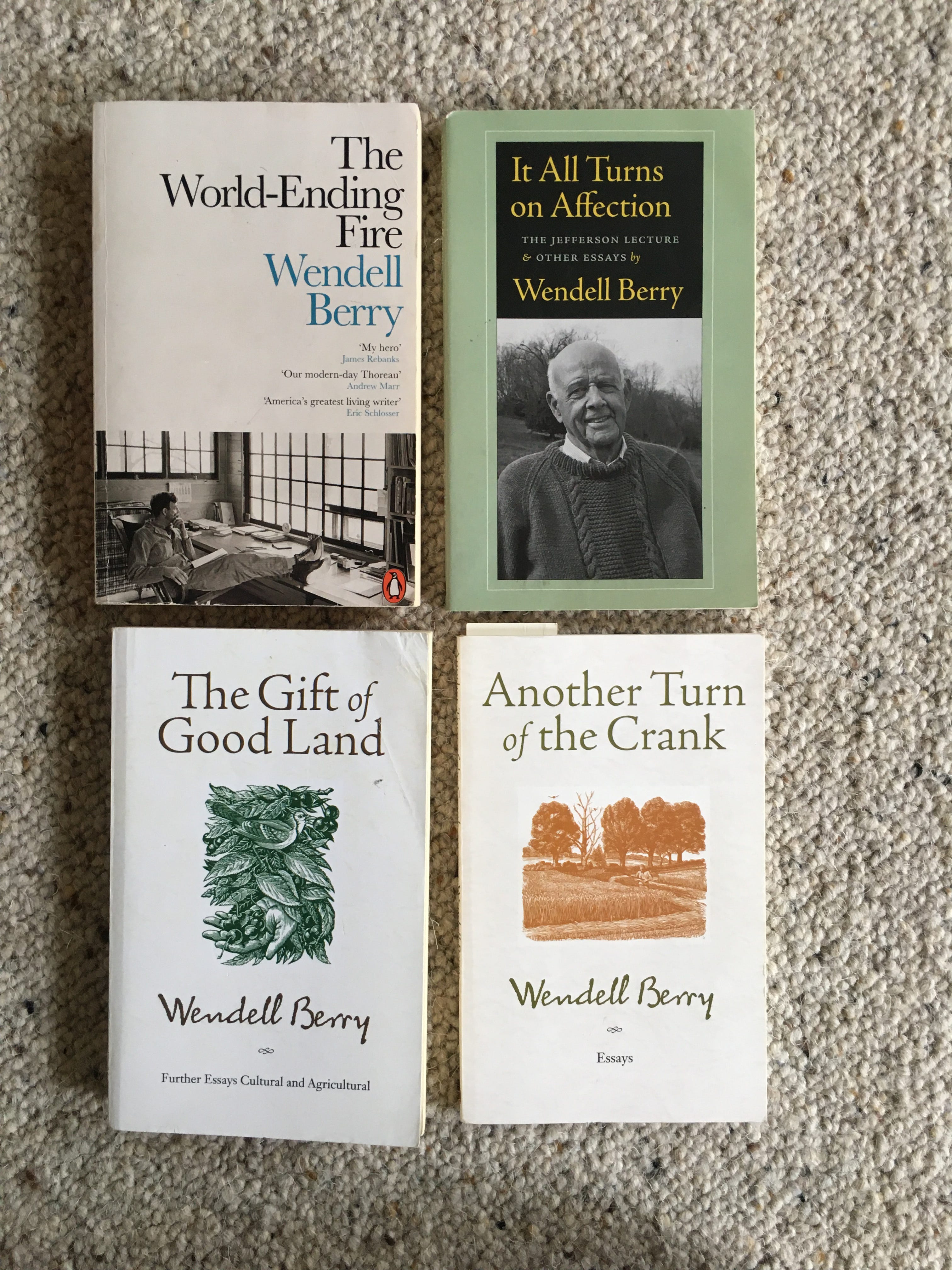
There were so many more books I could have recommended for Wendell Berry’s essays, but these are the four that I have found most useful. The World Ending Fire, edited by Paul Kingsnorth is the selection of Berry’s best works (and is the book I am using in my reading groups); The Gift of Good Land is a large collection of agricultural essays and some of Berry’s most practical agricultural pieces; It All Turns on Affection contains Berry’s seminal essay going by the same name, which I rank as one of his most important essays. It also is an insight into what drives the man behind the words; Another Turn of the Crank is a small work with some of the most fundamental essays for an agrarian to master concerning how to live ecologically in the modern world — a world which is so antithetical to agrarian values.
Agrarianism
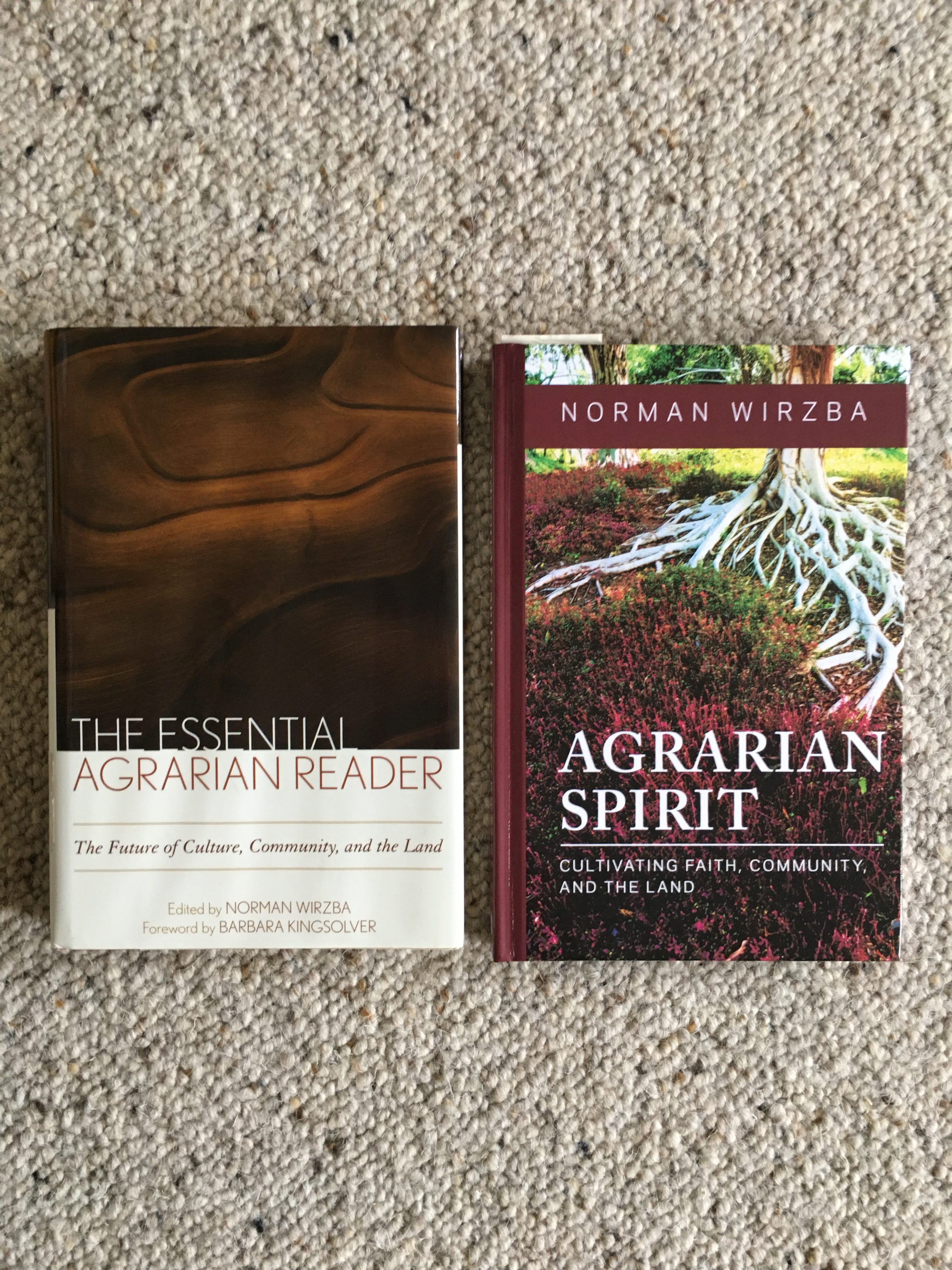
These two works delve deeply into what it means to be an agrarian, both practically and spiritually. The Essential Agrarian Reader is a collection of essays concerning all aspects of agrarianism from basic philosophy, land tenure, legal aspects, globalisation, the Agrarian Mind, and much more. There really is no better book to understand what it means to be an agrarian than this one. Agrarian Spirit on the other hand, considers what it means to be an agrarian in terms of virtues and the cultivation of one’s own personhood. Both practice and piety are essential to become a fully formed well rounded agrarian. These two books help us along this journey.
Creation Care
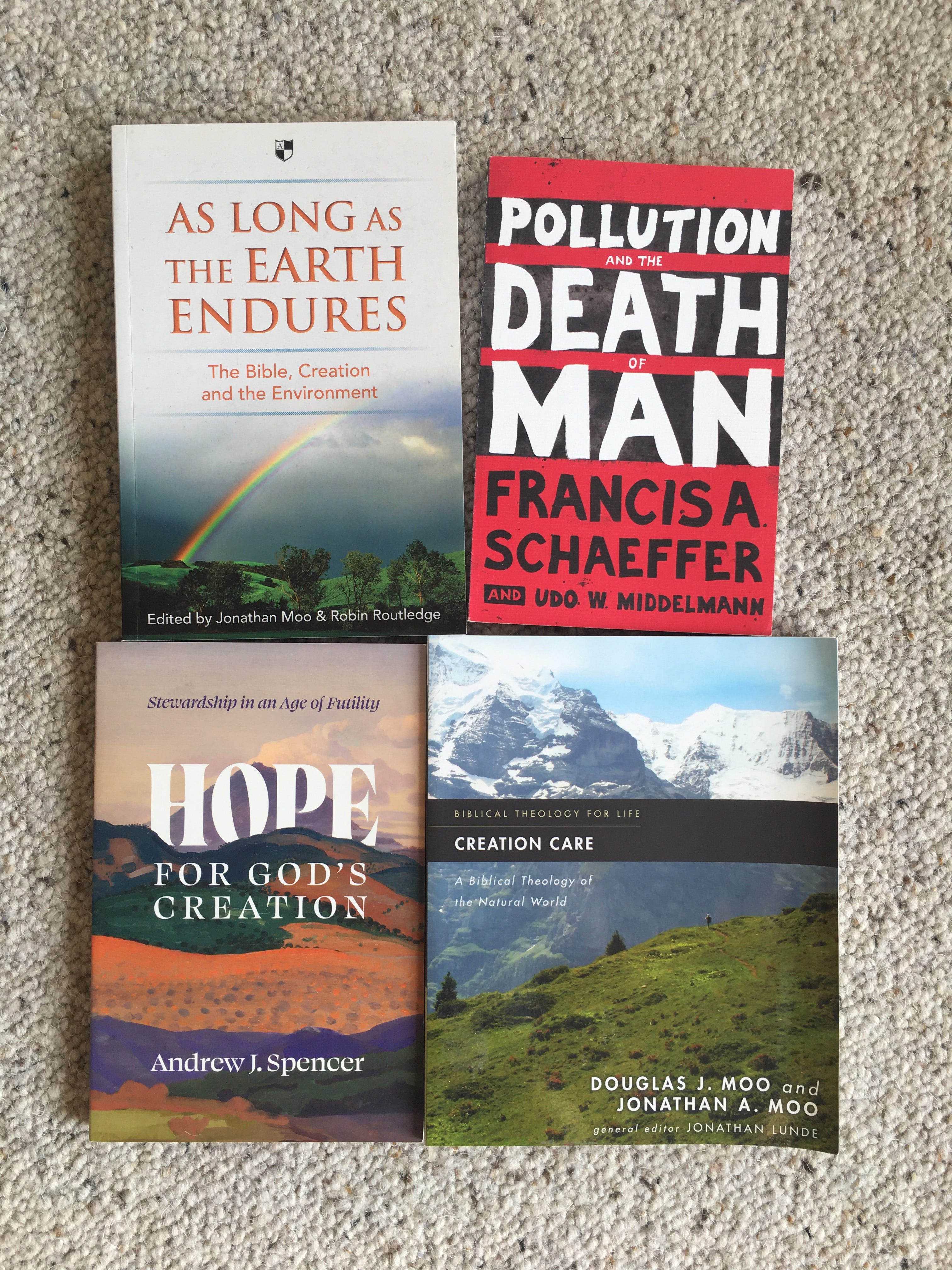
Writing concerning creation care and Christian environmental stewardship is going to become a much bigger theme of my writing here on Over the Field and these are the four best books that I recommend.
Hope for God’s Creation is an excellent introduction to the main topics and debates; Creation Care then delves a little bit deeper on similar themes. As Long As the Earth Endures is a collection of academic essays that critically consider vital themes such as eschatology, the curse, doctrine of creation, and more. Finally, Schaeffer’s Pollution and the Death of Man is the cream of the crop, a masterful and prophetic treatment of environmental action from an evangelical perspective. Schaeffer was well ahead of his time, and he is still relevant today. His concept of ‘substantial healing’ is the single most important creation care concept guiding our practical action today in my opinion.
Environmental and Rural philosophy
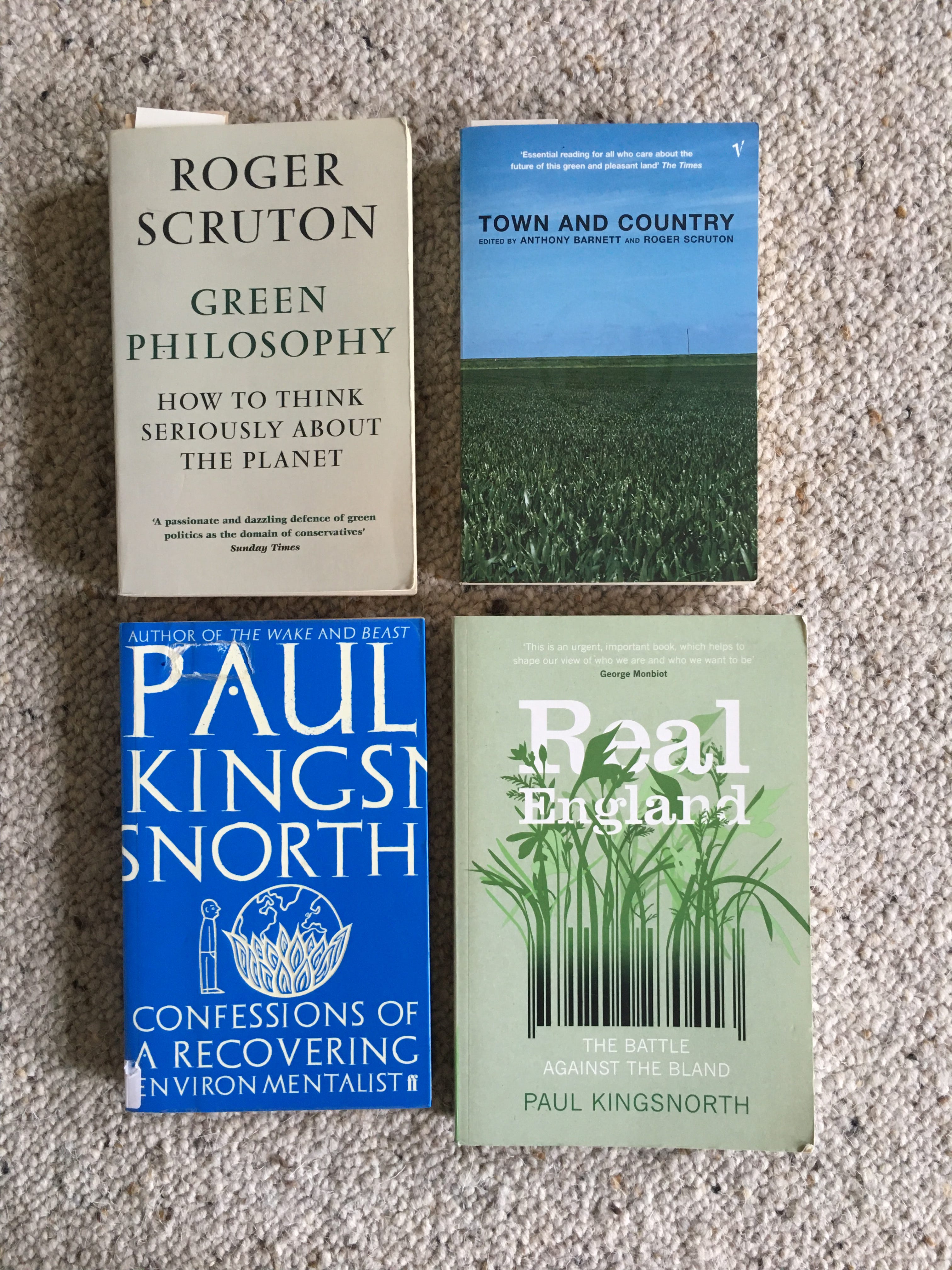
Scruton’s Green Philosophy has been a life changing book to read slowly. It presents a convincing case for the importance of environmental care/action from a profoundly conservative perspective. Scruton argues again and again that conservatives and conservationists should be natural friends — I could not agree more. One other thing that I highly valued was Scruton’s emphasis on personal responsibility and action over and against state proxification; we need a great deal more volunteerism and personal action if we are to resolve some of the deeply entrenched ecological issues plaguing our modern societies.
Kingsnorth’s Confessions of a Recovering Environmentalist contains two of the best essays I have ever read: Learning What to Make of It, and Dark Ecology. Real England is one of those books I wish all politicians would read, as it highlights all the precious things that we are losing to the Machine — and all that makes England special.

Technology and techno-scepticism
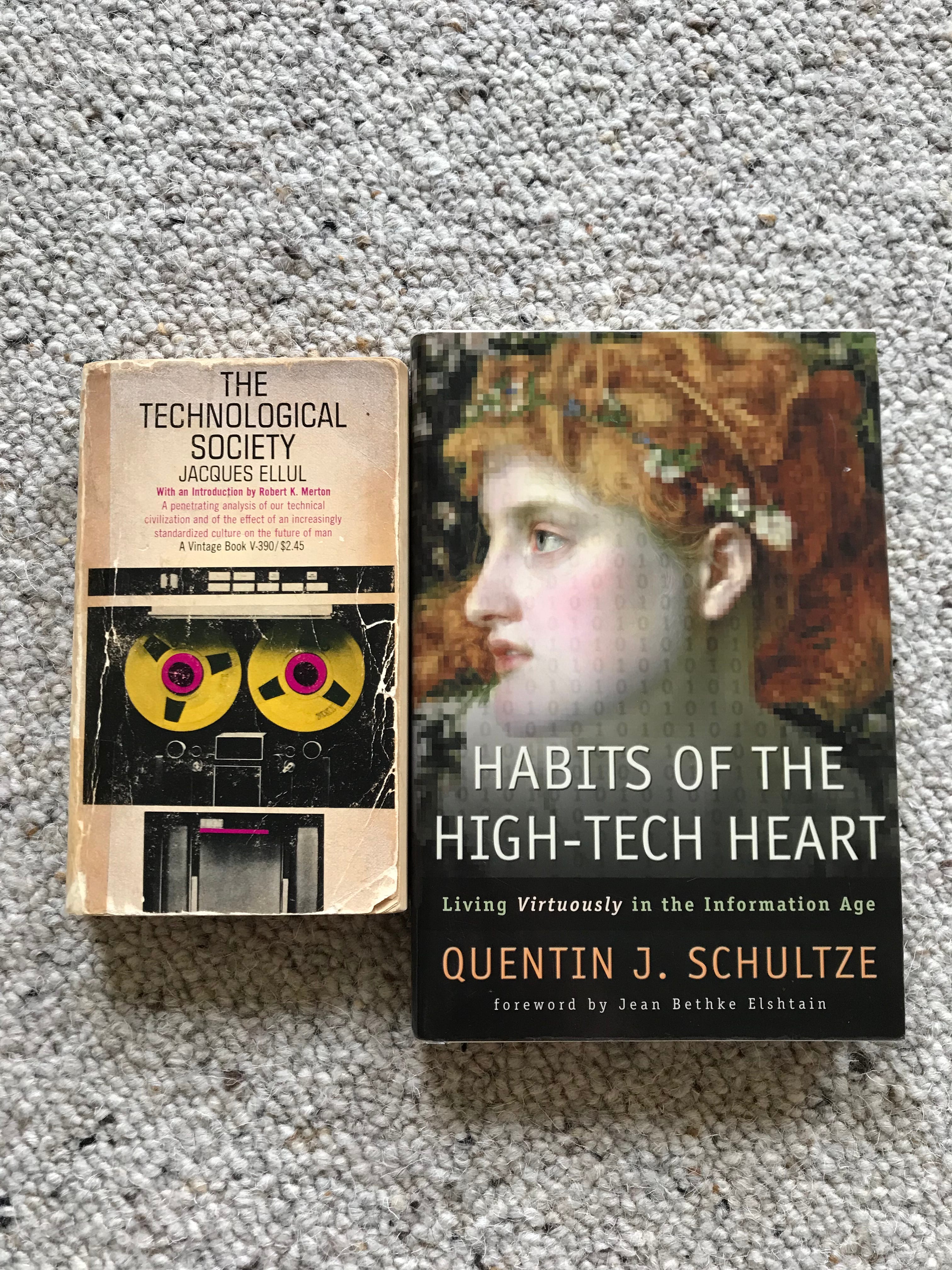
Habits of the High Tech Heart is something which deserves to be better known than it is. It is a very helpful book about how to cultivate virtuous ways of interacting (or not) with technology. Written before AI and even before the smartphone took off, Schultze is remarkably prophetic. Then need I say more about Ellul’s The Technological Society? It is a classic for a reason.
British Farming writing
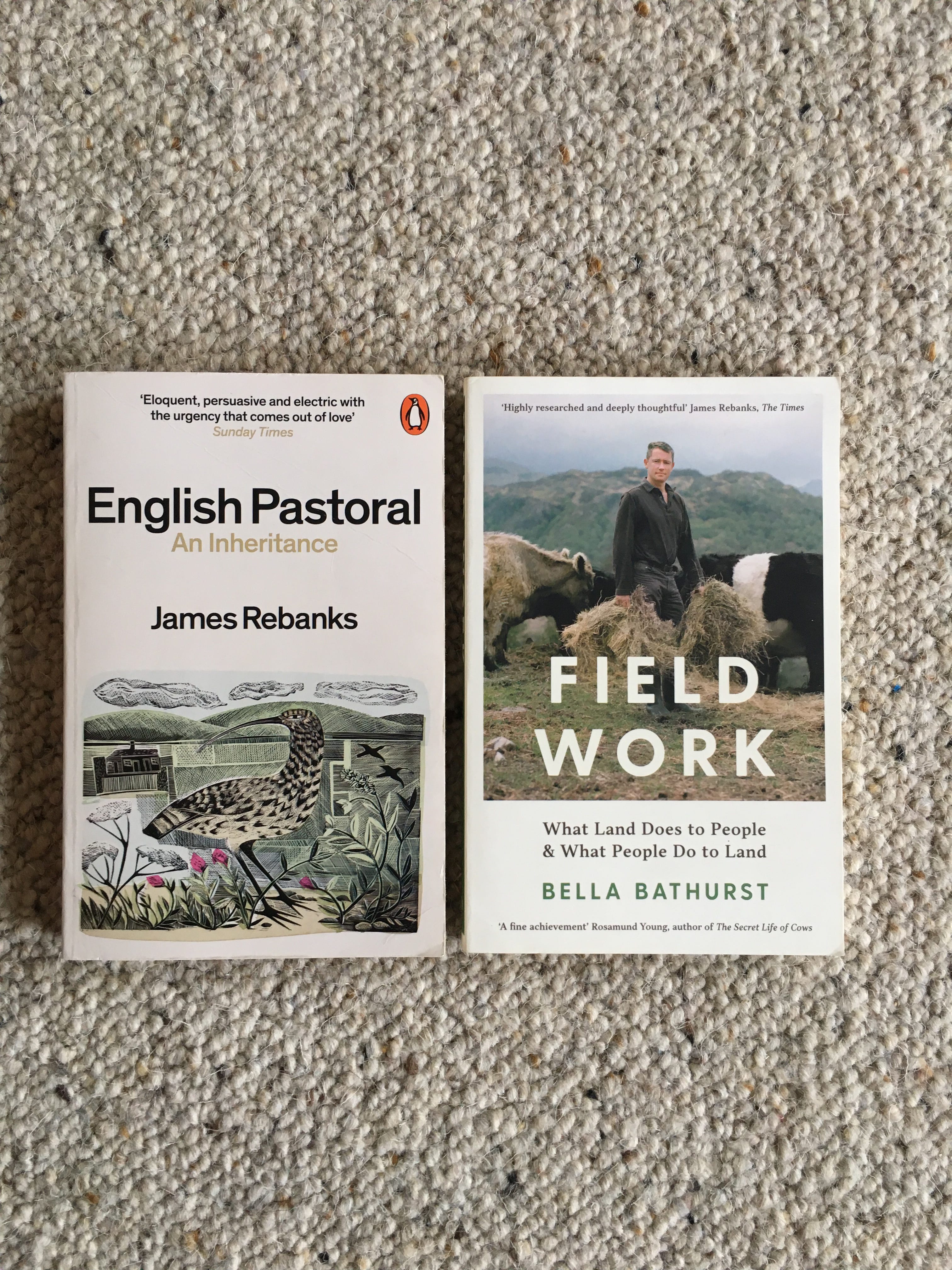
Rebanks’ English Pastoral is utterly superb. Incredibly beautiful wordsmanship, devastating accounts of what we have lost (and how), and a hopeful plea for the future. A book to read again and again.
Field Work by Bella Bathurst is a brutally realistic book on the bitter laments (and joys) of farming in the 21st Century.
Writing in Defence of the Small Farm
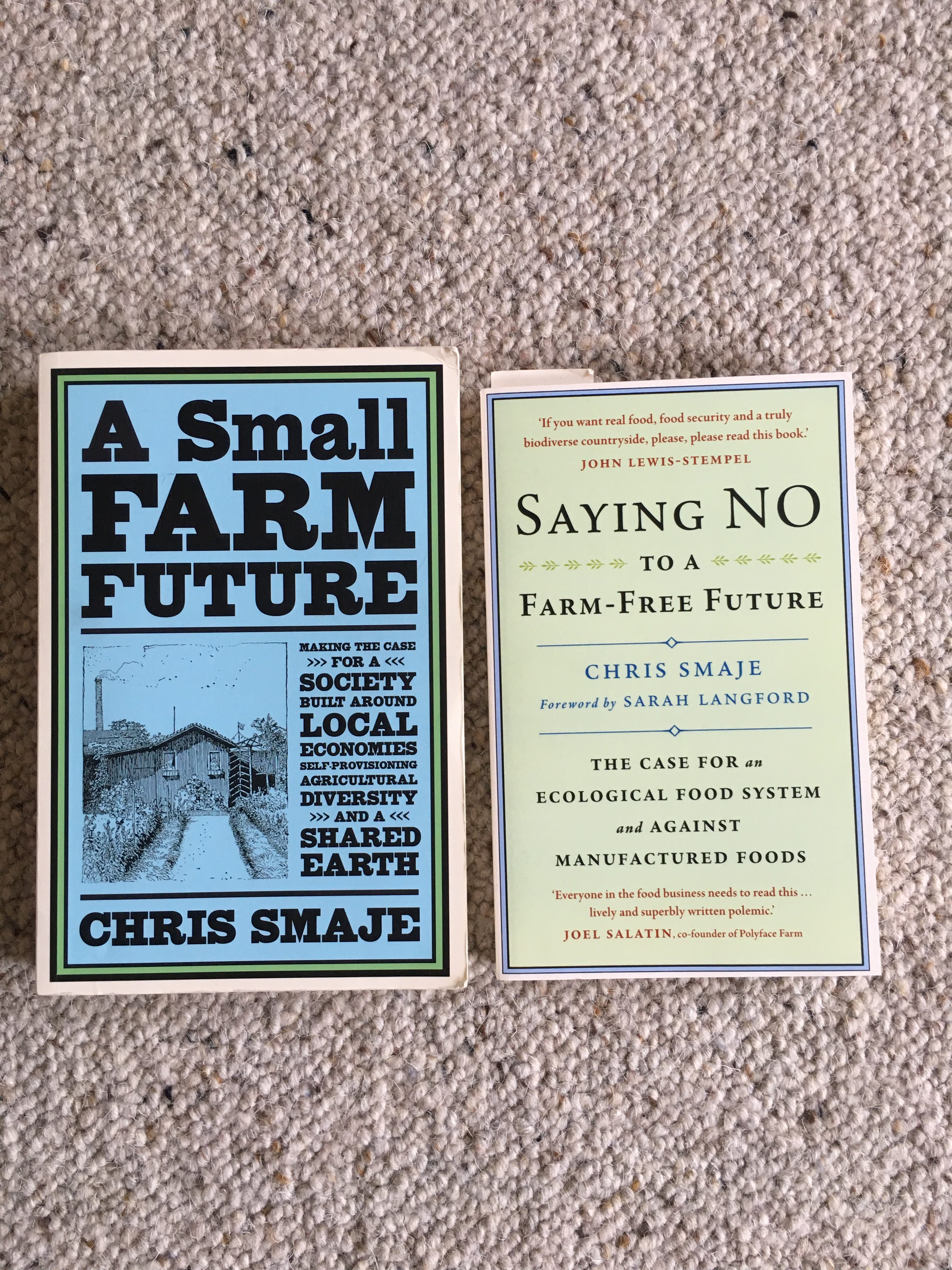
Chris Smaje is one of those thinkers who has shaped my thinking in an extraordinary way and A Small Farm Future is essential reading for any agrarian. Chris charts what the future likely looks like for small farms and analyses critically a number of vital concerns such as family dynamics, energy security, land tenure, and agronomy. He also considers the question ‘can small farming feed us?’ which is a question we all must wrestle with. Saying No To A Small Farm Future is a follow up work which responds to some of the solar bio-fermentation/farm free future debates. Particularly, it is a rebuttal to George Monbiot’s Regenesis.

British Countryside
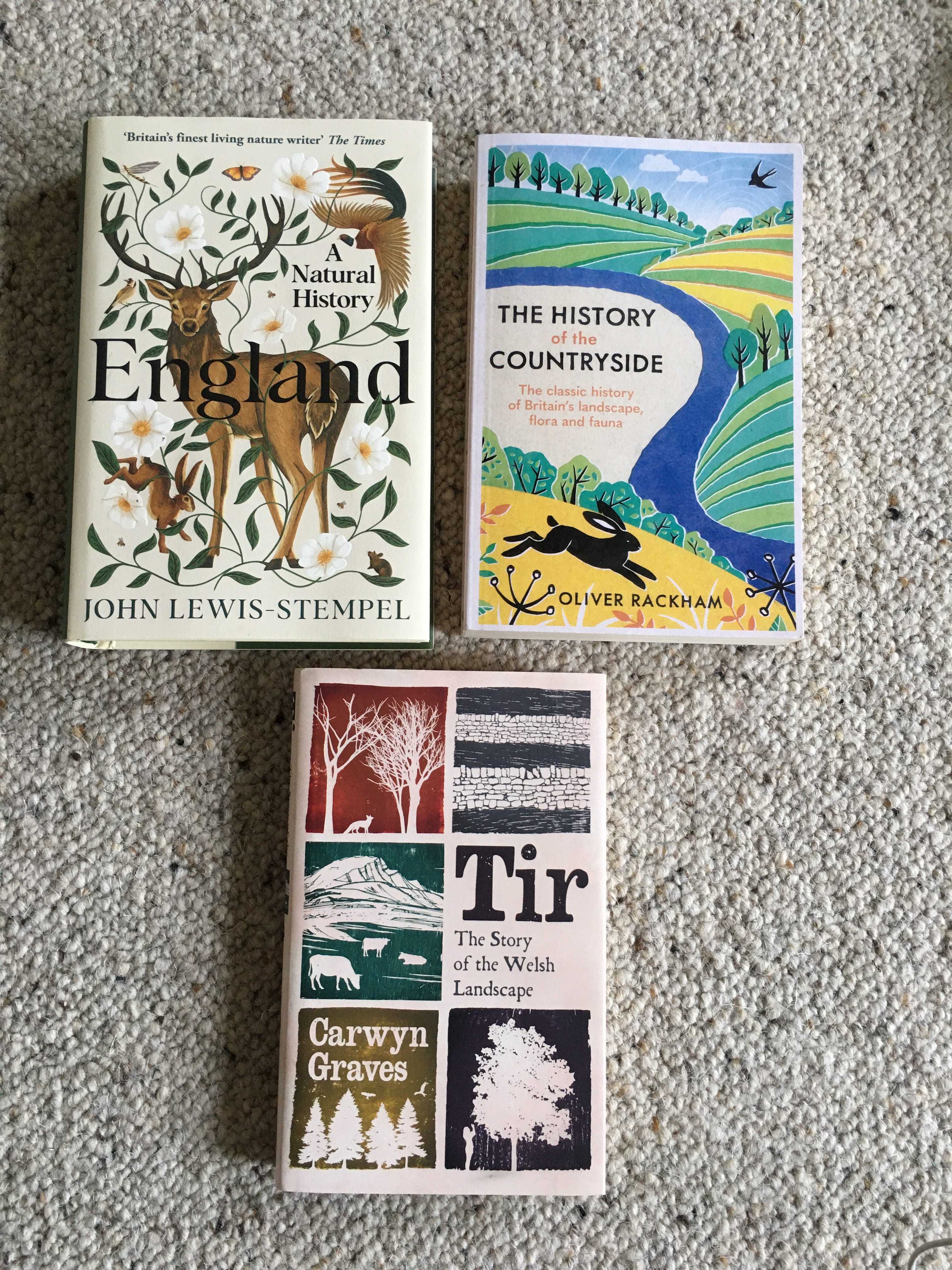
Rackham’s The History of the Countryside is THE book for understanding the changes that have occurred in Britain’s landscapes and how to read the landscape when out on a walk today. Tir is a book that does a similar job for the Welsh landscape but has an additional core focus of showing how it is the work of nature AND humans in harmony that creates the beauty and biological diversity of the landscape. And for some of the finest nature writing going, John Lewis-Stempel is the one to read and England is his masterpiece.
Further recommendations (including photos of my entire bookshelves)
Below are some further recommendations for paid subscribers including recommendations on stewardship debates; books about Wendell Berry; ecological economics, and more.
Also included are some photos of all the books on my bookshelves for those who want to discover more agrarian and nature writing works.
Paid subscribers get access to my two Wendell Berry reading groups, discounts on my Substack and Agrarian mentorship programs, and early access to paywalled long form essays. All this for the price of a hardback book.
Keep reading with a 7-day free trial
Subscribe to Over the Field to keep reading this post and get 7 days of free access to the full post archives.